Why Mobile-First Design Is No Longer Optional in 2026
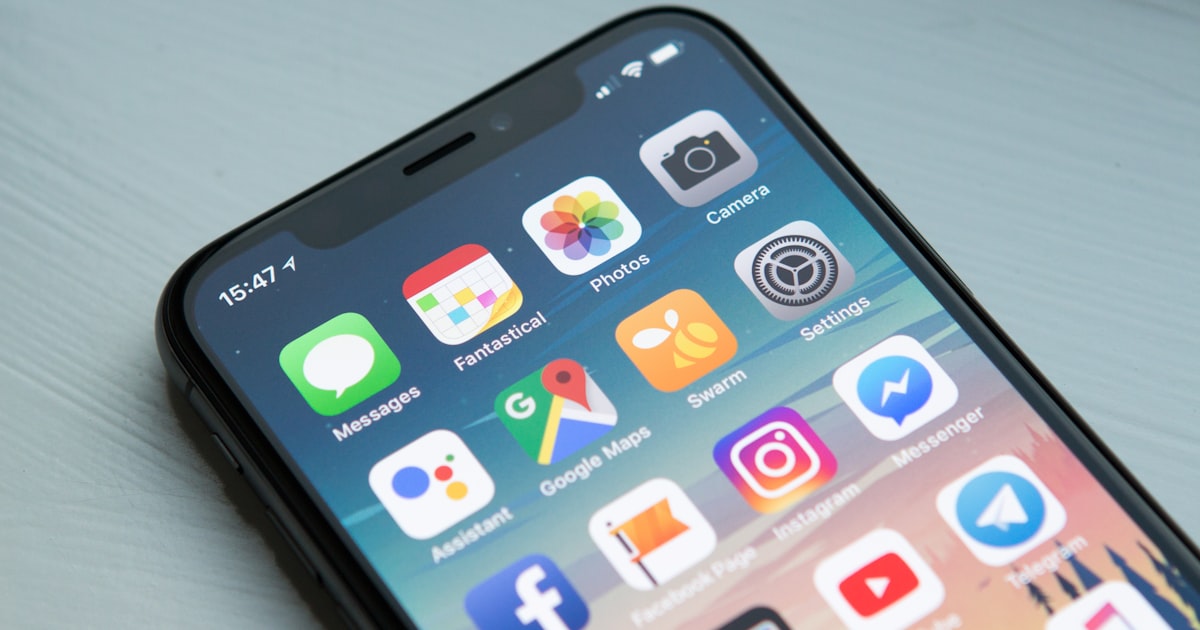

If your website isn’t performing well on mobile, you’re losing customers. Period. Google has been prioritizing mobile-first indexing for years, but in 2026 the gap between mobile-optimized and desktop-only sites has become a canyon.
More than 65% of all web traffic now comes from mobile devices. For local businesses, that number is even higher. When someone searches for “best coffee shop near me” or “emergency plumber,” they’re almost always on their phone.
Mobile-first isn’t just about having a responsive website. It means designing the entire user experience around the mobile visitor first, then scaling up for desktop. This includes:
Google’s Core Web Vitals continue to be a ranking factor, and they’re measured primarily on mobile. The three metrics that matter most are Largest Contentful Paint (loading speed), First Input Delay (interactivity), and Cumulative Layout Shift (visual stability).
Sites that score well on all three see measurably better rankings and lower bounce rates. If you haven’t audited your Core Web Vitals recently, that’s a good place to start.
Run your site through Google’s PageSpeed Insights tool. Look at the mobile score specifically. If you’re below 80, there’s meaningful room for improvement. Common quick wins include compressing images, enabling browser caching, and reducing the number of third-party scripts on each page.
The businesses that treat mobile as their primary platform—not an afterthought—are the ones winning in search right now.